As a DIYer, you probably know what a drill is — odds are it was your first power tool. But what is an impact driver? And what makes it different from a drill? Do I need both?
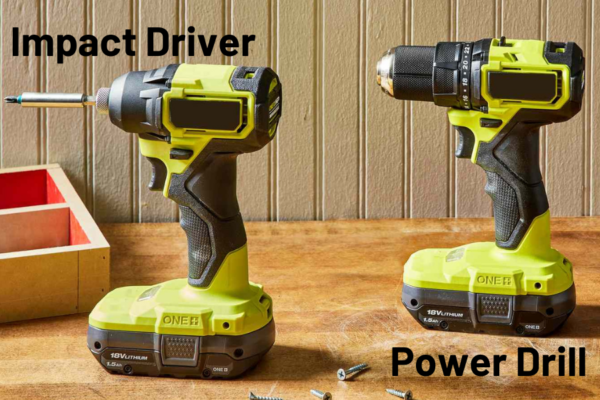
An impact driver looks like a drill and functions similarly, but there are several key differences distinguishing impact drivers from drills that you should know.
Both power tools screw and unscrew different types of fasteners. They both use rotational speed, torque and a variety of bits. However, there are basic differences:
- An impact driver is more compact and lightweight by design. Impact drivers have more torque and use a quick-change clamp to hold bits with a hexagonal shank.
- A power drill is an adjustable-speed tool that drills and drives in fasteners. Its head features a keyed or keyless chuck that holds the bits securely in place. Click here to learn more about the power drill.
Power Deliverance
The biggest difference between the two tools lies in the manner in which the powertrain operates. A drill operates solely with rotational force while the impact driver combines rotational force with impact, which translates to much more driving power. This is why drills are best for drilling, while impact drivers are geared toward driving fasteners.
This difference in the powertrain is best seen when driving fasteners that require a lot of torque to overcome their resistance. With a standard drill, this resistance will either stall the drill or, if the drill is powerful enough, require the operator to grab hold of the drill with both hands to prevent the drill from spinning out of control. Oftentimes, a side-assist handle is necessary to brace the drill. This isn’t an issue for the impact driver, as the hammer-and-anvil style impact against the driving mechanism concentrates the torque deliverance to the bit, allowing the operator to hold the tool with one hand without fear of kickback. This paired with its compact size and light weight makes an impact driver exceptionally better for single-handed operations such as overhead fastening.
Bit Compatibility
The noticeably smaller size of impact drivers is mostly due to the absence of a chuck. Instead, an impact driver features a compact, locking collar designed to hold a 1/4-inch hex bit. This does limit an impact driver to only compatible bits, whereas a locking chuck on a drill can hold any type of bit, so long as the diameter isn’t too large. Many bit manufacturers have produced several bit styles with a compatible hex shank to accommodate impact drivers.
Features
When it comes to features, impact drivers are lackluster. While nearly every drill features two or three speed settings, an adjustable clutch to prevent overdriving fasteners and an adjustable light, impact drivers are generally limited to a trigger and a light. However, some higher-option models are available with multiple speed settings.
Now the burning question…do you really need an Impact Driver?
Sure, you can drive most fasteners with a drill, so why buy an impact driver? The answer depends on what you plan to do with the tools. Just because a drill can do many of the things an impact driver can doesn’t mean it will perform as well. If you need a lot of driving power, a drill is no match for an impact driver. If you have to drive a lot of fasteners, overhead fasteners or otherwise hard-to-reach fasteners, an impact driver will make the operation quicker and easier. Regardless of the task at hand, many professionals and DIYers prefer to use an impact driver over a drill whenever possible, as it’s much lighter and more compact.
Projects for an impact driver include:
- Building a deck or fence
- Assembling furniture with large screws
- Removing stubborn or rusted bolts and screws
- Assembling outdoor structures like sheds or pergolas
- Installing cabinets or shelving
Ideal projects for a drill include:
- Hanging shelves or curtains
- Installing light fixtures
- Drilling holes in metal or plastic
- Installing door knobs or handles
- Mounting artwork or mirrors on walls
In conclusion, the impact driver and the power drill are both beneficial tools to have in your toolbox. You can usually find them sold in a set at a bundle price. This is the set that I have and it works great!