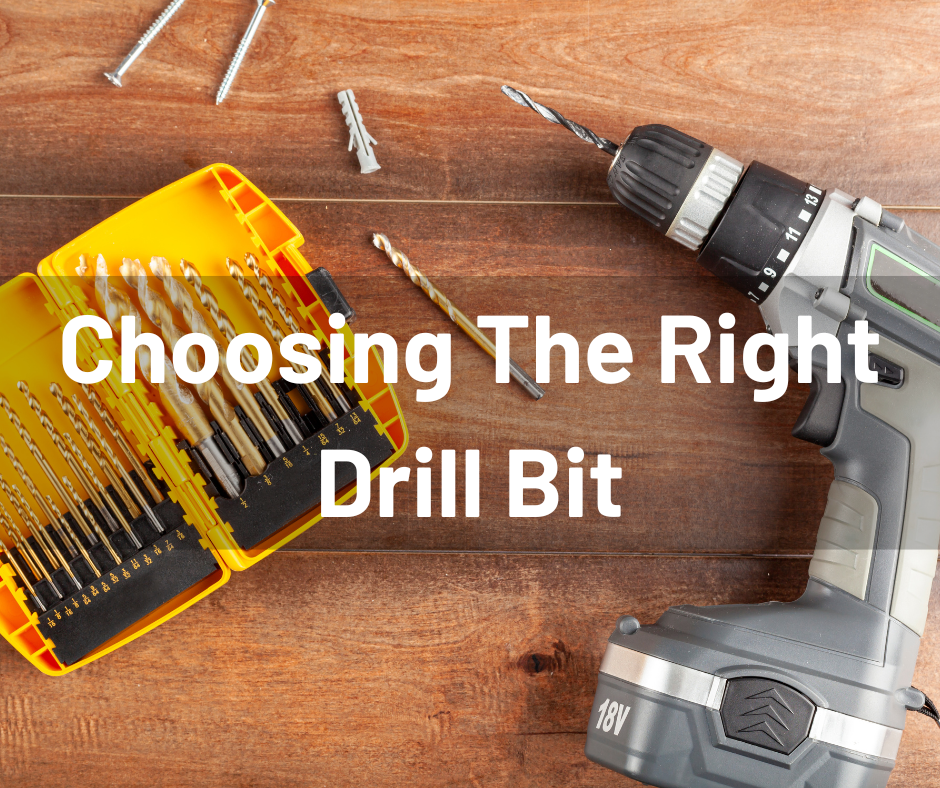
Drill bits are designed and available for different types of materials (wood, metal, glass, masonry, etc). Here is a guide for selecting the appropriate bit for your project.
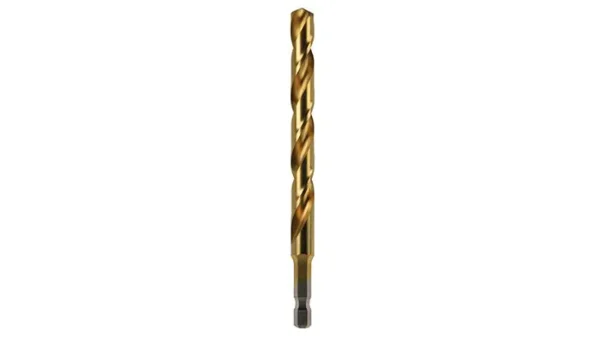
A twist bit is the most common type of drill bit for home use. It works for general-purpose drilling in wood, plastic and light metal.
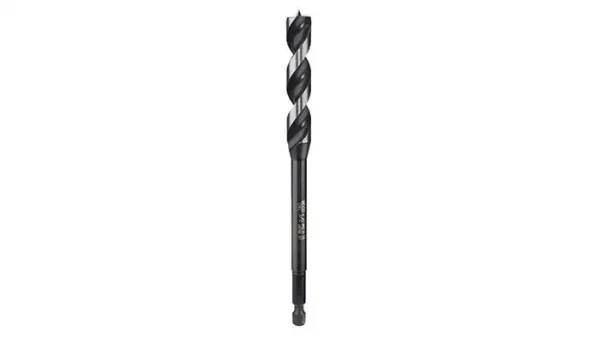
A brad-point bit is designed for boring into wood. The brad at the center of the bit tip helps position the bit precisely for accurate drilling and produces a clean exit point in the work piece. The flutes — grooves that wrap around the bit and channel away chips and dust — are extra-wide to remove more material.
A tile bit uses a carbide tip to drill into some types of tile while reducing the chance of chips and cracks. Check the packaging to determine the tile it can drill.
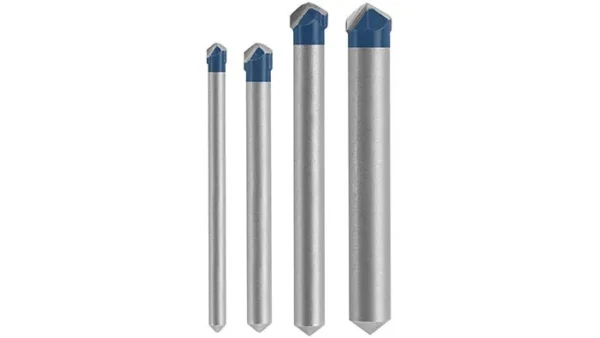
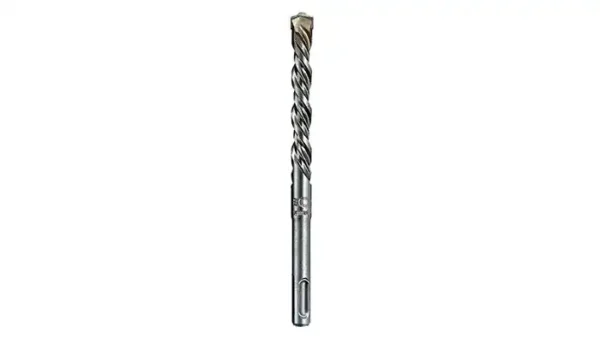
A masonry bit drills into tough materials such as concrete, brick and other masonry. Some work with a standard corded or cordless rotary drill, but those designed for use with a rotary hammer or hammer drill can help the concrete drill bit bore into masonry more effectively. The hammering action of the tool drives the carbide tip into the material while the rotating action channels away debris along the flutes.
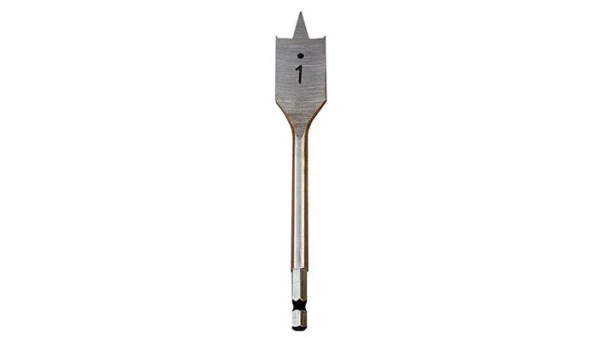
A spade bit, also known as a paddle bit, bores large-diameter holes — up to 1-1/2 inches in diameter — in wood. It has a flattened blade with a sharp point that helps position and steady the bit. Some spade bits have points at the two edges that help create a neater hole and exit point.
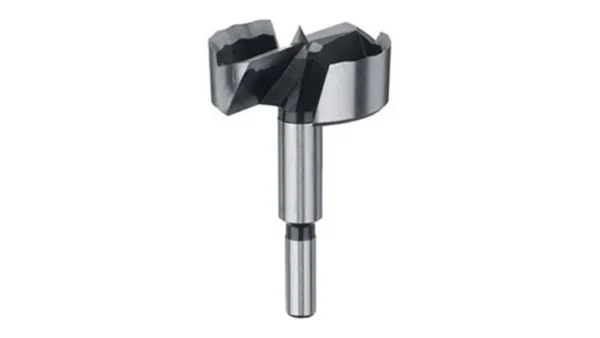
A Forstner bit bores smooth, clean holes in wood. You can use it to create flat-bottomed holes for receiving dowels. If you need to bore through the work piece, it creates a neat exit hole. The design also allows you to overlap holes. A point helps you to position the bit precisely on the work piece. Pull the bit out regularly to clear away chips and dust as you work. A handheld drill may not always give you the force or control you need to use a Forstner bit, so a drill press is a better option for some applications
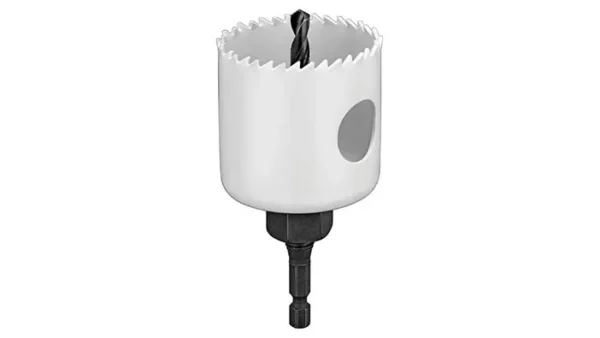
A hole saw drills large holes for installing door hardware or creating a pass-through for wiring. It also creates a plug of waste material; a cut-out in the side of the saw cylinder allows you to push it out. Typically, a hole saw attaches to an arbor or mandrel, which includes a shank. The arbor also holds a pilot bit for centering and steadying the cutting blade. Some smaller hole saws have a built-in shank and don’t use a pilot bit. A bi-metal hole saw cuts through wood and metal. A hole saw with a carbide edge works on heavier materials such as ceramic tile and masonry. A hole saw with a diamond edge also works on tile and masonry but cuts faster than carbide models.
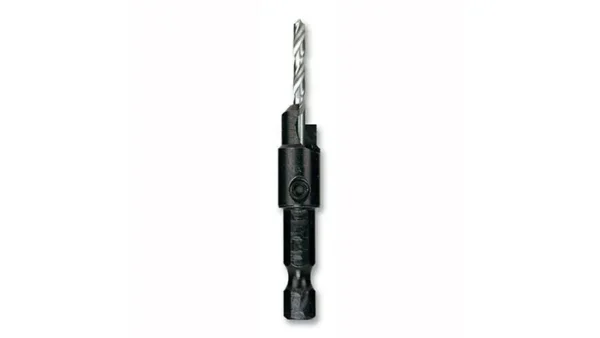
A countersink bit, also called a screw pilot bit, is a specialty bit for drilling in wood. In a single action, the bit can drill pilot, countersink and counterbore holes, allowing you to countersink a fastener and install a plug over the fastener head.
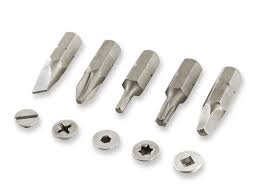
Screwdriver bits come in various shapes (Phillips, slotted, Torx, etc.) and are used in combination with a drill or screwdriver to drive screws into different materials. They can be used for a wide range of tasks, from assembling furniture to construction projects, where driving screws is necessary.
Bit Size: Choose the right size of the drill bit based on the hole diameter you need. Using the correct size ensures precise and efficient drilling.
Bit Shank: Match the bit shank type (round or hexagonal) with the drill chuck to ensure a secure fit and prevent slipping during operation.